Piotr Moczybroda
Aerospace Engineer
"The best part of being an engineer is that you get to build things”
Get In Touch
I'm an aerospace engineer with a BSc from TU Delft, currently looking for my next challenge.
I see engineering as one of the few disciplines where an individual has the ability to shape the future. It fascinates me how a group of people who share a common goal can design and create anything from a bridge to an airplane — a structure that will last and leave a mark beyond their lifetime as a contribution to the development of humanity.
My ambition is clear. I want to build a reputation and a brand in my name as an engineer: I want to become one of the world's leading UAV designers. Not just a competent engineer, but someone who leaves a mark on the industry — known for innovations that changed it.
That goal drives my professional career.

TWD, Netherlands
Delivered structural, fatigue, and dynamic analyses across offshore wind and marine projects, applying FEM and Python-based calculation workflows.

Elab Education, Remote
Prepared over 20 students for university entrance exams in mathematics, physics, and engineering

Student Team, Netherlands
Evaluated and selected the optimal airfoil from three candidates for a competition aircraft through systematic CFD analysis in ANSYS Fluent, assessing performance across multiple configurations. Results used in manufacturing decisions for the British Model Flying Association entry as part of a TU Delft student team.
Specialised in aircraft design with a focus on UAVs for defence applications
Core modules in aerodynamics, structural design, and jet engines
Thesis Project: Attritable tube launched surveillance UAV

International exchange covering production engineering, project management, and project budget management.

Our team analyzed EUROCONTROL flight data and developed AI-based predictive models for upcoming years under various scenarios. This work provided key insights into national emission trends and recommendations for sustainable aviation policy.
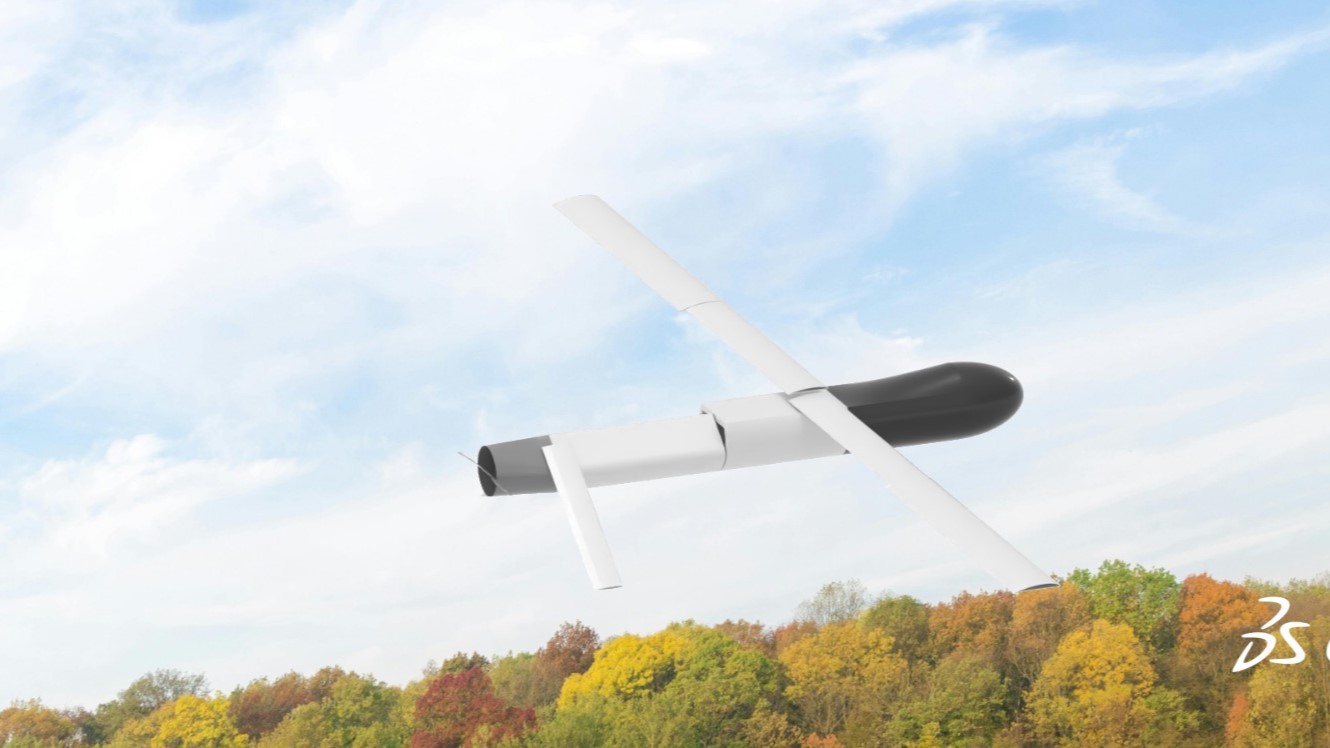
Led the aerodynamics team in the development of SPARTA, a tube-launched UAV designed for surveillance missions. Codeveloped a detailed simulation model of the unfolding mechanism, integrating aerodynamic, structural, and stability analyses to evaluate performance during deployment.
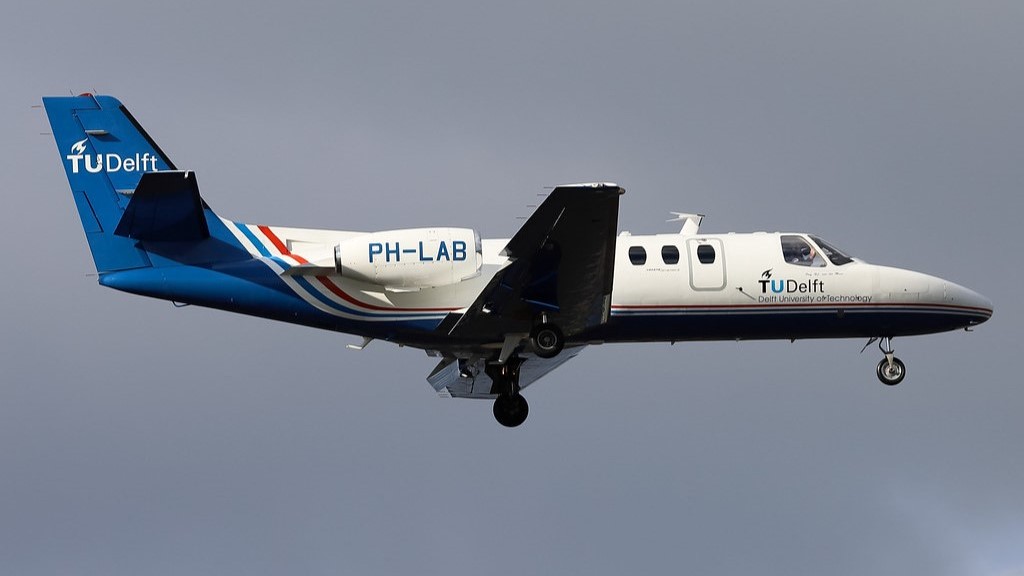
Developed numerical simulation models to analyze the performance of Cessna Citation II aircraft. Conducted verification and validation to ensure accuracy in representing real-world phenomena, supported by theoretical analysis and hypothesis testing.
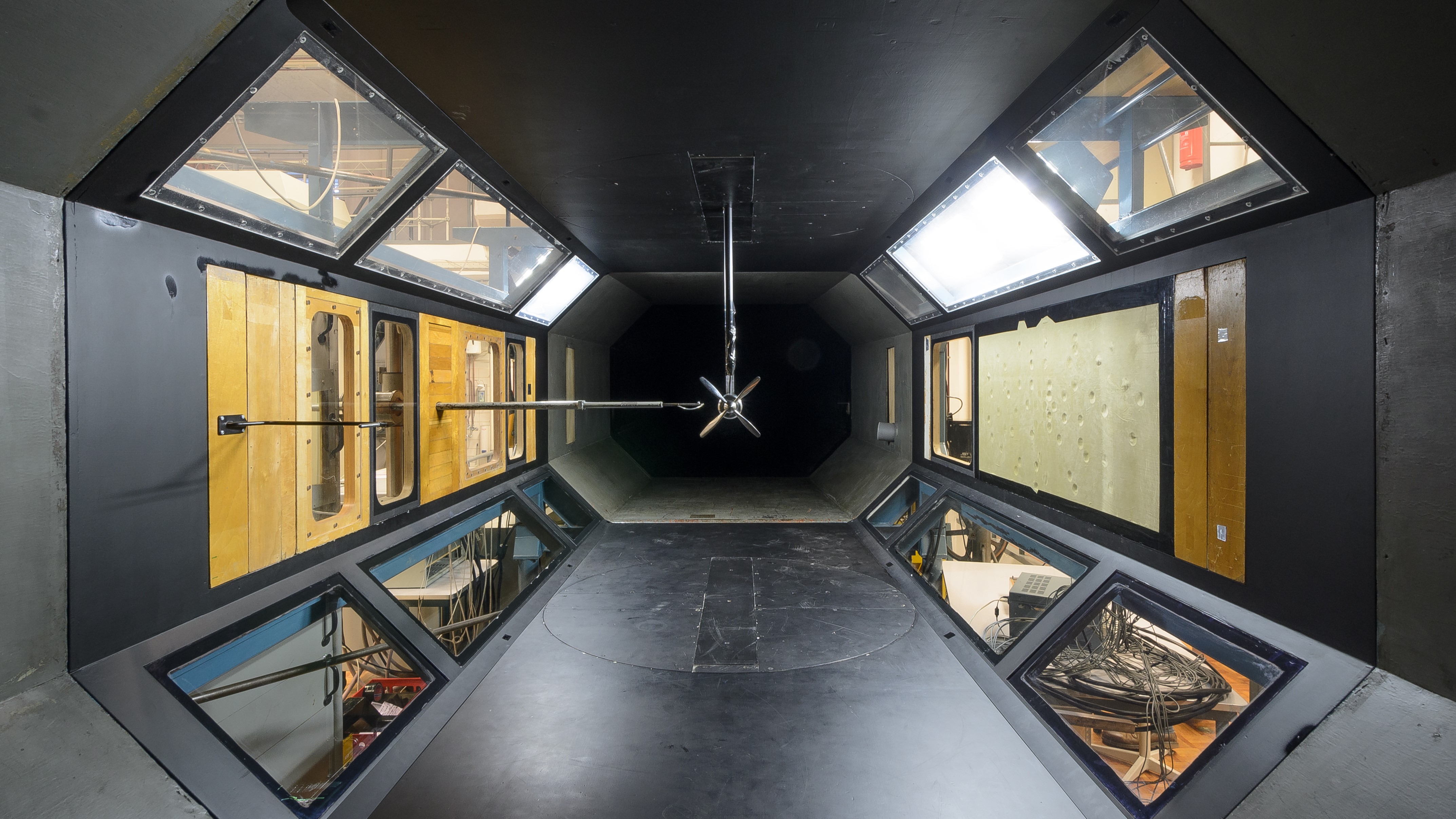
Aerodynamic analysis of 2D and 3D wing models using wind tunnel experiments and computational simulations to assess lift, drag and stall effects. Identification of discrepancies between simulation and experimental results.
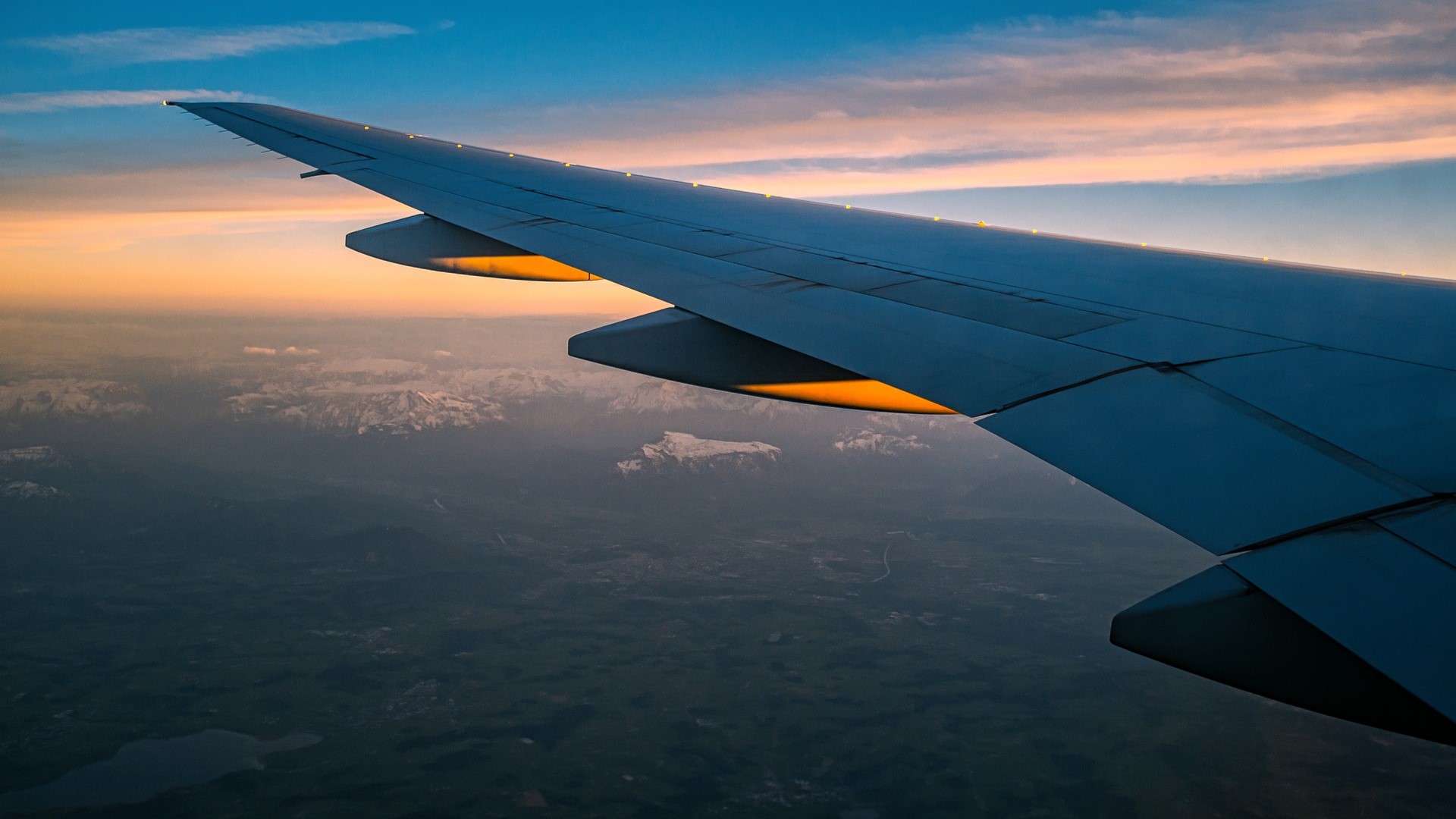
Executed aircraft wing design project, covering initial sizing, airfoil selection and comprehensive control surface design, followed by primary component integration. Developed a wing box structure with detailed load-case and failure analyses, integrating aerodynamic efficiency with safety requirements
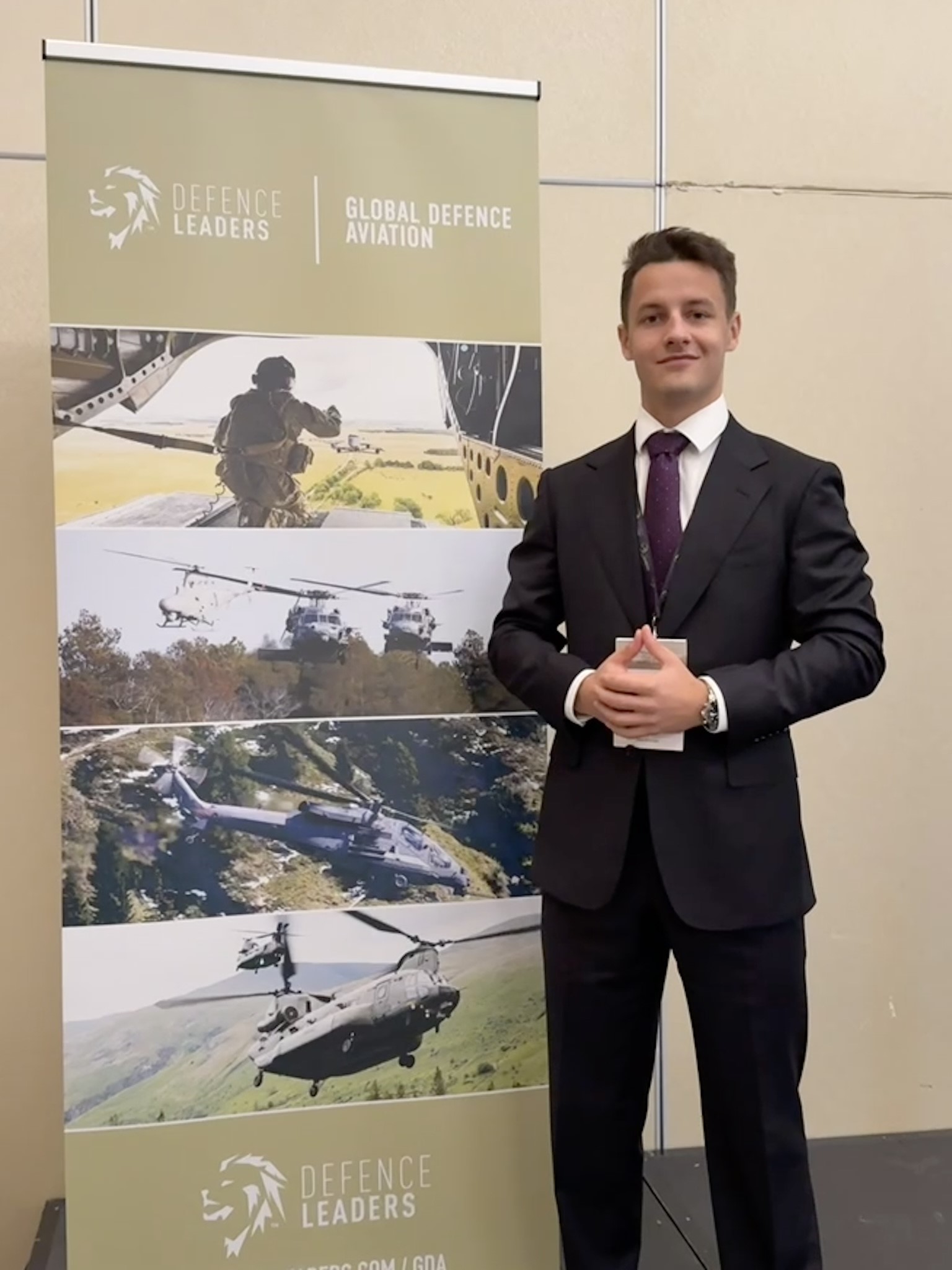
During the presentation of my bachelor end thesis to a panel of experts, project received exceptionally positive feedback. European-based, fully attributable drone concept stood out for its technical depth and practical relevance. Following this, it was formally recognized by the Polish Minister of Defence, a moment that marked a significant milestone.
This recognition resulted in an invitation to the Global Defence Aviation Conference, one of the leading events in the aerospace and defense industry. Attending the conference provided a unique opportunity to gain insights into the factors driving innovation, market evolution, and future developments in the field.
While this was a defining step, it also became a beginning. The experiences and connections continue to open new conversations and possibilities.
 RFEM
RFEM CATIA
CATIA Solidworks
 Ansys Fluent
 Python
 Overleaf
 MATLAB
 MS Office